

I’m going to try something different with this post, and try to be on the good side of Churchill’s famous “I would have written a shorter letter but I ran out of time”. This will be short, but it doesn’t mean a lot of research didn’t go into it. If you want the references, go here.
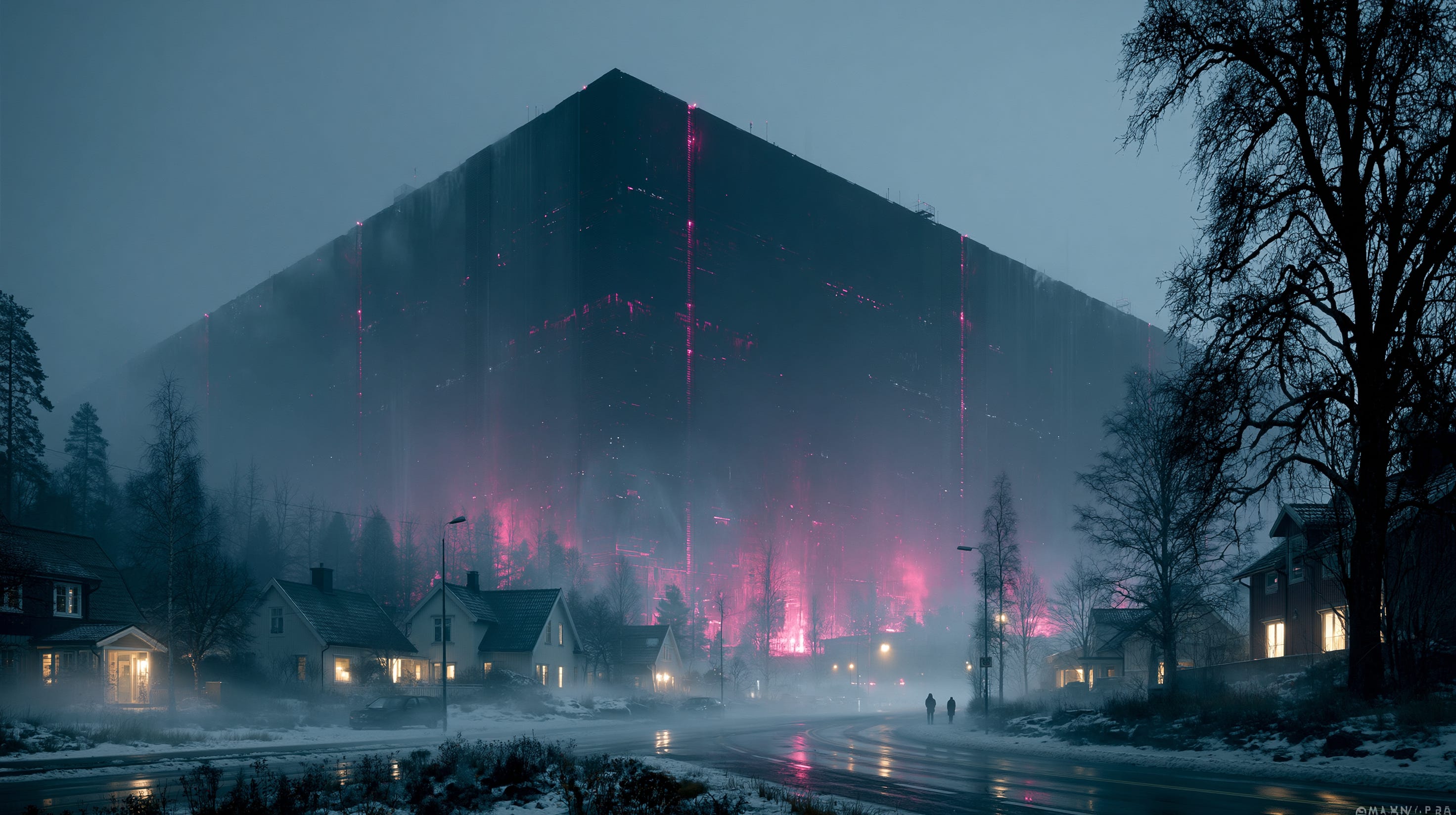
I work in AI and make a good chunk of my living from it — and even I’ve had it with the collateral damage.
Welcome to my anti-AI screed.
You’re about to find out everything has RAM in it
AI data centres are eating the world’s memory supply, and everyone else gets to pay for it. The Verge calls the inexorably rising RAM prices RAMageddon, and it runs the whole gamut.
Raspberry Pi (the little computer that we use to teach kids to code and build cool stuff, and runs my ADS-B receiver) has had two price hikes in three months. Framework is shrinking the RAM in laptops people have already pre-ordered. The world’s cheapest smartphones that billions of people rely on, are starting to disappear from the market entirely.
Even Apple, owner of the most competent and resilient supply chain on Earth, just raised prices across nearly its whole lineup: “We have never seen a component price increase this much, this quickly.”
I never opted in to fund the AI buildout, and neither did you. Turns out we’re funding it anyway, one gadget at a time, and that’s on top of all our content the models have been trained on.
Nobody wants a data centre next door (and fair enough)
70% of Americans oppose one in their area. More would rather live next to a nuclear power plant.
I get that.
Unpermitted gas-turbine farms next to residential neighbourhoods turns your environment into a dirty, loud droning that never stops, day or night.
Evaporative cooling drinking a town’s water and turning your shower into a slow, dirty drip.
Megawatts of GPUs sucking up the electricity, driving up prices for residents.
None of this is what data centres have to be. I’ve stood outside high-end facilities that are whisper-quiet, and zero-water and near-zero-water designs are possible, at scale, today, from Microsoft’s newest builds to CDC’s campuses in Canberra.
Quiet, waterless, energy-additive, paying for their own grid connections: every item on that list exists in production, right now.
The fact that data centres even can be bad neighbours is a [political] choice.
This is not a hard regulatory problem: set the standards, enforce them, and approve the enabling infrastructure so the good designs are actually buildable.
Aviation, by the way, did exactly this with aircraft noise decades ago and came out bigger, safer, and quieter.
I’m happy to say Australia is moving in the right direction on this; NSW is developing efficiency benchmarks and stronger energy- and water-use reporting for new data centres, while the federal government has issued national expectations covering energy efficiency, additional clean-power investment and transparent water-use reporting for new and expanded data-centre projects.
It’s not quite there yet, but it’s a directionally right stance, and I welcome it: data centres can be a strong yes, and an asset to a country – if, and only if, built sustainably.
“But doing it right costs money”
Yes, it does. Duh.
It has somehow become the duty of every corporate citizen to complain about anything that might increase costs.
Fine. I’d almost forgive that, given the neoliberal capitalistic waters the companies have been bred and swim in.
But money is the one thing this industry demonstrably does not lack.
The four biggest players will spend roughly $725 billion on this buildout this year alone - up 77% from last year’s all-time record.
Sound insulation or more water-efficient cooling is a rounding error on a rounding error in that.
So here’s the deal: if anyone in industrial history can afford to do this right, it’s these companies, at this moment, with this money. To even attempt to claim otherwise would be dishonest, or to use a more Australian colloquialism, just not on.
And if, with three-quarters of a trillion dollars a year, they somehow can’t afford to build data centres that don’t poison, deafen, drain, or impoverish their neighbours?
Then maybe all of this really should die.